Table Of Content
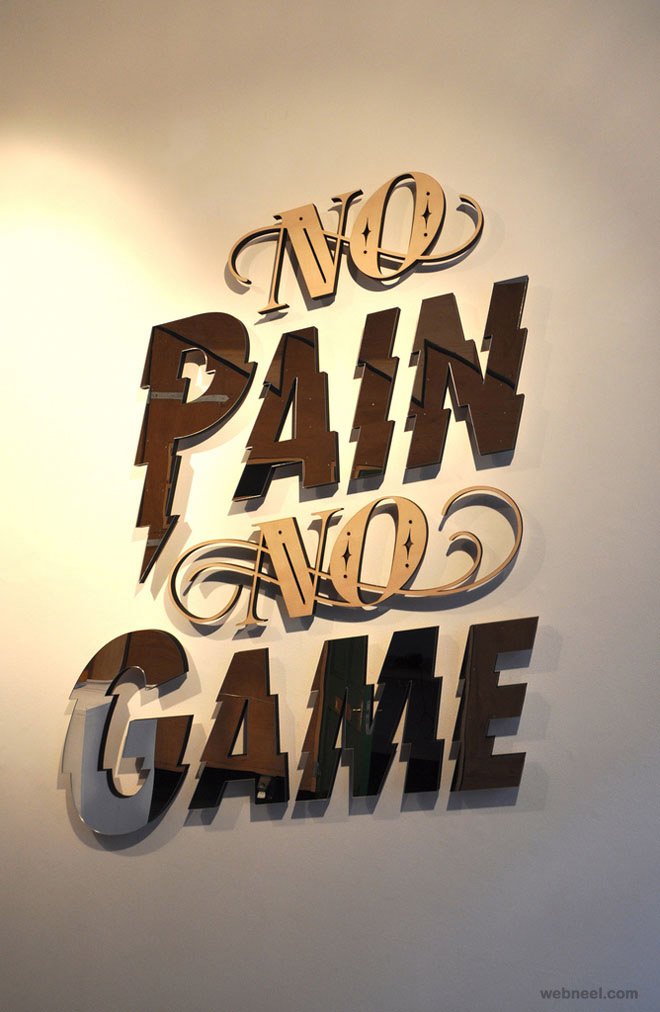
This will determine how flexible and versatile you need your typeface to be. Creative Bloq is part of Future plc, an international media group and leading digital publisher. She now spends her days reviewing mattresses and hiking boots as the Outdoors and Wellness editor at T3.com, but continues to write about design on a freelance basis in her spare time.
Typography holds the attention of the readers
Too much or too little spacing, as in the example below, can make things unpleasant for the reader. Hierarchy is used to guide the reader's eye to whatever is most important. In other words, it shows them where to begin and where to go next using different levels of emphasis. It's in the books we read, on the websites we visit, even in everyday life—on street signs, bumper stickers, and product packaging.
Understand space in graphic design to improve your website
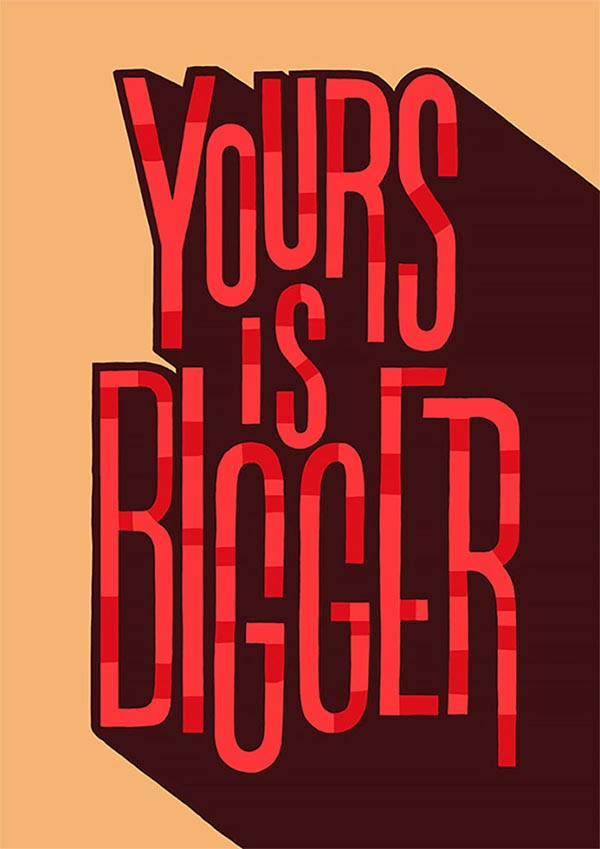
A designer balances the three components of colors – value, hue, and saturation. Known also as letter spacing, tracking is the space we see between text characters. The height of each character is known as its 'x-height' (quite simply because it's based on the 'x' character). When pairing different typefaces, it's usually wise to pair those that share a similar x-height. This spans the body of the letter, plus the space that acts as a buffer between one letterform and the next. This means that words set in different typefaces can take up a very different amount of space on the page.
1. Fonts and typefaces
When used in the right way—a proper combination of style, size, hierarchy, kerning and line spacing—there’s nothing you cannot express with it. From formal and elegant pages to dynamic and mind-bending compositions, you can do whatever your imagination can come up with. Analyze your letters and apply the tracking method that best suits the purpose.

The attention span of people is fast decreasing, and it is now a few seconds only. Brands have to grab the attention of their target customers in that friction of time. Graphic designers, therefore, use the power of typography to catch the eye immediately. An overwhelming majority of sites and designs are occupied by content, which requires careful use of typography. Displaying content is, after all, an art that typography can handle very well. Remember that text-based content is a key to bring visitors and keeps them engage with a site.
Lauren Graycar's elegant typeface is made by layering squares, circles and triangles - It's Nice That
Lauren Graycar's elegant typeface is made by layering squares, circles and triangles.
Posted: Mon, 26 Feb 2024 08:00:00 GMT [source]
Designhill allows you to source high quality graphic design at an affordable price. Just tell us what you need, post a project and get dozens of designs to choose from. Contrast is another key typography element to help designers highlight an idea or message. By learning the main terms and rules of typography, you’ll be able to improve your typography skills, look at every design with a more open mind and come up with creative solutions.
You can select from standard options such as single spacing, double spacing, 1.15, or 1.5, or choose your own custom spacing.
For example, where an uppercase 'A' meets an uppercase 'V', their diagonal strokes are usually kerned so that the top left of the 'V' sits above the bottom right of the 'A'. Whether you’re a beginner or a skillful guru, you never really stop learning. So practicing your skills is a must, if you want to reach perfection. Knowing the main terms and elements of typography will make your job easier.
Guide: 5 Tips to Create a Unique Branding Style
Careful use of typography is essential to ensure the desired impact on the audience and how they should perceive your brand. Take, for example, the logos of CocaCola, Google, GAP, and Disney. These are all great examples of a recognizable typography logo due to their specific use of typefaces. So, your typography design ideas should aim at building your brand recognition. The designer chooses a perfect color of typography so that it becomes easily readable. With the use of color, catching the visitor’s eye becomes a lot easier on a website or other design.
Typesetting decisions can also include how letters are spaced apart a.k.a tracking, the height of letters, and other subtle details. When it comes to print design, a high percentage of typography design uses black text on a white background. Bigger visuals such as freeway billboards and movie screens obviously work well with both white on black and black on white. Web designers have come to use the word font as a substitute for typeface since HTML uses “font face” to specify a family followed by attributes such as size and color to be even more specific.
It’s one of the most important features of every composition, both in the digital and physical worlds. It helps to set the mood and emotion of any text and has a huge impact on how the reader perceives it. Consider how a typeface like Creepster might be perfect for a poster advertising a horror movie, but completely off-brand for a medical website. Likewise, Arial might be ideal for a professional ebook but would fail to convey the elegance of a luxury cosmetics brand. In that context, a typeface like Bellefaire in italic font might be more suitable. When choosing and styling a typeface, think about the brand values and characteristics you want to convey, as well as the mood you want to evoke in your target audience.
Engineers have conducted deep studies on typography design and what works best for promoting driver safety. The size of the lettering plays a big role in this communication. The limitations of human vision were taken into account when federal highway officials standardized the signs. The same is true with signs that are designed for handicapped individuals in wheelchairs, as specific regulations dictate that signs for disabled people must be easy-to-read and at eye level. The typesetters at the printmakers shops would then set the fonts and would often decide to include space to let the type breathe, so to speak, and easier to read.
Graphic designers meticulously choose fonts, sizes, and text bodies, manage white space, and determine text placement to ensure a harmonious and effective typographic arrangement. These typographic elements guide and inform users, optimize readability and accessibility, and are essential for delivering an excellent user experience in graphic design. Typography is a graphic design technique that’s all about arranging letters and words in a visually appealing way. And while choosing a good typeface can certainly set you up for success, that’s just scratching the surface. Typography also involves choosing the right font size, colors, and shadows, and adjusting the space between letters, words, and lines.
So, let’s embrace typography, for it’s an art that turns words into a story, and a science that ensures the story is told effectively. Type is all around us and its power is utilized by many, but how many of us recognize the work of a Graphic designer for this? Typography is an art, a technique where characters and letters are arranged known as type. The size of the letters spaces between them, spacing of the line, length of the line, or spacing of the entire page, everything contributes to typography. Writers in the creative field, graphic designers, and art directors use this technique to embrace the digital age we are in.
Let us know if you're a freelance designer (or not) so we can share the most relevant content for you. Many have the urge to fill every corner of the page with text or images but having generous amounts of white space is usually a good idea. It gives the information breathing space, it makes the composition more airy and it helps the reader move through the information.



No comments:
Post a Comment